In today’s competitive construction landscape, clients look for reliability, technical expertise, transparent processes, and long term project support. Syed Brothers has built its reputation by focusing on structured execution, quality material selection, and disciplined project management across residential, commercial, and infrastructure developments.
For detailed construction solutions and service information, visit the official page of the professional home construction company to understand how structured planning translates into successful project delivery.
From ground preparation to final finishing, a true construction partner ensures that every stage is handled with precision and accountability.

Core Construction Expertise
Years of field experience show that strong construction outcomes depend on proper planning and execution. Syed Brothers operates with a systematic approach that integrates engineering knowledge with practical site management.
Their expertise covers:
• Residential building projects
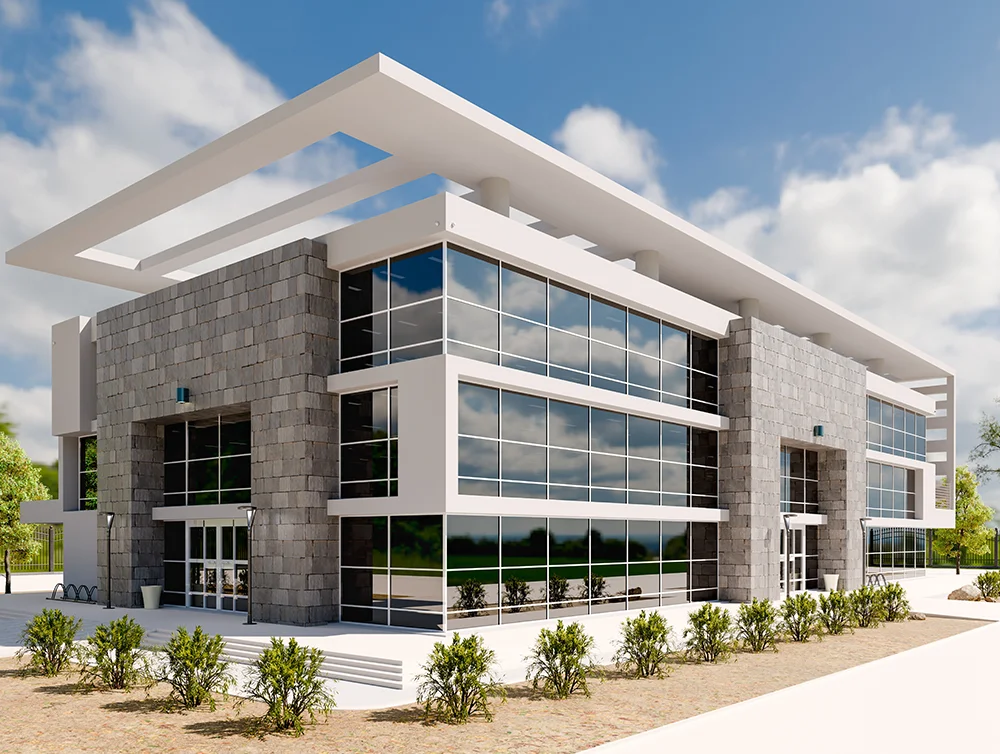
• Commercial structure development
• Infrastructure planning
• Structural reinforcement work
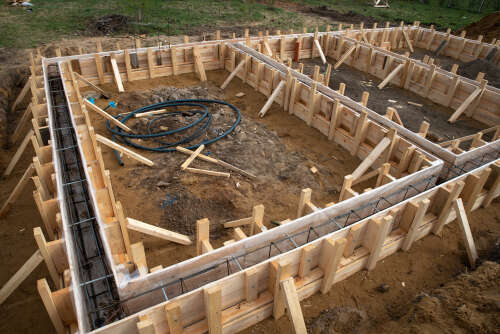
• Foundation engineering
• Concrete and masonry execution
A construction project succeeds when design interpretation matches ground reality. Skilled supervision ensures that drawings convert into strong physical structures without costly revisions.
Building Projects With Structured Execution
Residential and commercial building construction requires detailed coordination between architects, engineers, contractors, and labor teams. Proper scheduling prevents material wastage and delays.
Key stages followed in professional building development include:
Site evaluation and soil testing
Design finalization and approval
Budget estimation and cost control
Material procurement
Foundation laying
Structural framing
Electrical and plumbing integration
Interior finishing and inspection
Experienced teams understand that quality control must be continuous. Inspection at every milestone reduces structural risk and improves durability.
Infrastructure Development and Civil Work
Infrastructure development is a critical part of large scale construction operations. It involves road development, drainage systems, boundary walls, parking areas, and utility support systems.
Strong infrastructure ensures long term stability for residential societies, commercial complexes, and industrial units.
Professional contractors focus on:
Earthwork excavation
Compaction and grading
Drainage channel construction
Road base preparation
Reinforced concrete road laying
Efficient infrastructure planning reduces future maintenance costs and enhances project value.
Contracting Services and Project Management
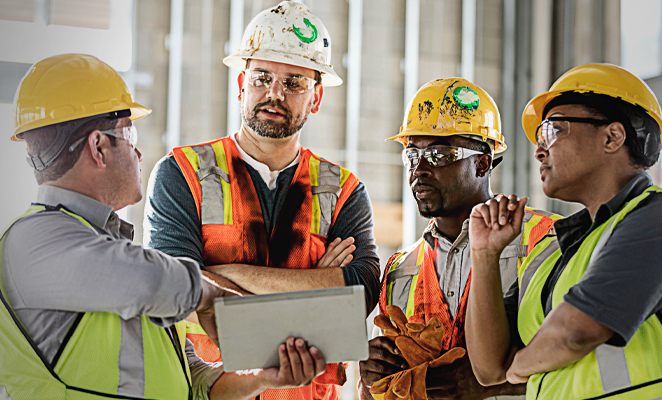
Effective contracting services are the backbone of organized construction delivery. A reliable contractor manages manpower, suppliers, equipment, and safety standards.
Project management includes:
Timeline monitoring
Budget tracking
Resource allocation
Quality assurance checks
Risk management
Experienced construction managers understand that delays often occur due to poor coordination between vendors and site teams. Structured reporting and communication minimize such issues.
Strong project management ensures transparency for clients and consistency in execution.

Renovation and Structural Upgrades
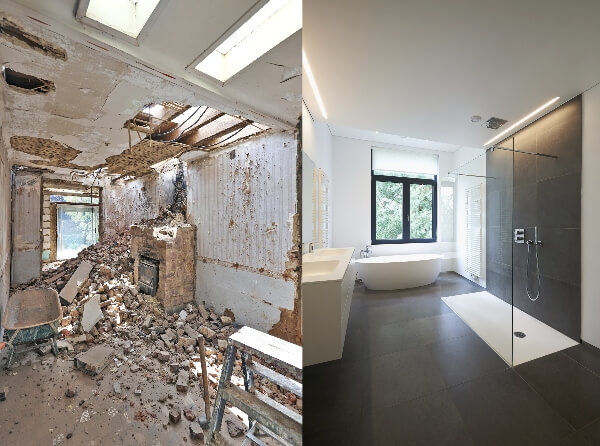
Renovation projects require more technical sensitivity than new construction because existing structures must be assessed before modification.
Common renovation services include:
Interior space redesign
Load bearing wall assessment
Column reinforcement
Roof repair and waterproofing
Electrical system upgrading
Plumbing replacement
Proper inspection before renovation protects structural integrity. Engineers evaluate stress distribution and material strength before implementing changes.
Renovation work improves functionality while preserving the stability of the building.
Material Selection and Quality Control
The durability of any structure depends heavily on material quality. Poor material selection leads to cracks, corrosion, and structural weaknesses over time.
Professional construction teams ensure:
Use of certified cement and steel
Quality aggregate testing
Controlled concrete mixing ratios
Approved electrical and plumbing components
Moisture resistant finishing materials
Material inspection during procurement prevents future repair expenses. Experienced contractors build relationships with trusted suppliers to maintain consistent quality standards.
Cost Estimation and Financial Planning
Transparent cost calculation builds client trust. Before starting any project, a detailed estimation is prepared covering:
Labor costs
Material expenses
Equipment charges
Design consultation fees
Contingency budget
Accurate budgeting prevents sudden financial pressure during execution. Clear documentation ensures that clients understand where resources are allocated.
Construction professionals advise clients to maintain a contingency reserve for unexpected site adjustments.
Safety Standards and Risk Management
Construction sites involve heavy machinery, electrical systems, and elevated work areas. Safety management must always be prioritized.
Essential safety measures include:
Protective equipment for workers
Regular site inspections
Secure scaffolding installation
Electrical isolation during wiring work
Fire safety preparation
Experienced site supervisors enforce safety protocols to reduce accidents and liability risks. A disciplined safety culture improves productivity and team confidence.
Sustainable Construction Practices
Modern construction emphasizes energy efficiency and environmental responsibility. Sustainable techniques improve long term building performance.
Green construction approaches include:
Thermal insulation installation
Energy efficient lighting systems
Water conservation plumbing
Waste material recycling
Solar integration readiness
Sustainability not only reduces utility expenses but also increases property value in the market.
Forward thinking contractors integrate eco friendly practices into project planning.
Why Professional Expertise Matters in Construction
Construction projects require coordination between design accuracy, material strength, and labor efficiency. Without professional supervision, projects often exceed budgets and deadlines.
Key advantages of experienced construction management:
Reduced structural errors
Improved time efficiency
Better cost control
Long term durability
Clear communication
A professional approach ensures that every phase moves forward with clarity and accountability.
Future Ready Construction Approach
The construction industry continuously evolves with new technologies and building techniques. Adopting modern tools such as digital planning software, structural analysis systems, and advanced machinery improves precision.
Future ready contractors invest in:
Training skilled workforce
Upgrading equipment
Improving project tracking systems
Enhancing quality inspection methods
This continuous improvement mindset strengthens company reputation and project outcomes.
Frequently Asked Questions
What services are included in construction project management
Construction project management includes planning, scheduling, budget supervision, material coordination, and quality inspection to ensure smooth execution.
How is project cost calculated for building construction
Cost is calculated based on design complexity, material selection, labor requirements, site conditions, and project timeline.
Can renovation work strengthen an old structure
Yes. Structural reinforcement, column strengthening, and foundation upgrades can significantly improve stability during renovation.
How important is material quality in construction projects
Material quality directly affects durability, safety, and maintenance cost. Using certified materials prevents long term structural damage.
Conclusion
Construction is not simply about assembling concrete and steel. It is about planning intelligently, executing carefully, and delivering structures that stand strong for decades.
Comments