Black Stool and Vomiting Blood: Could It Be a Bleeding Ulcer?
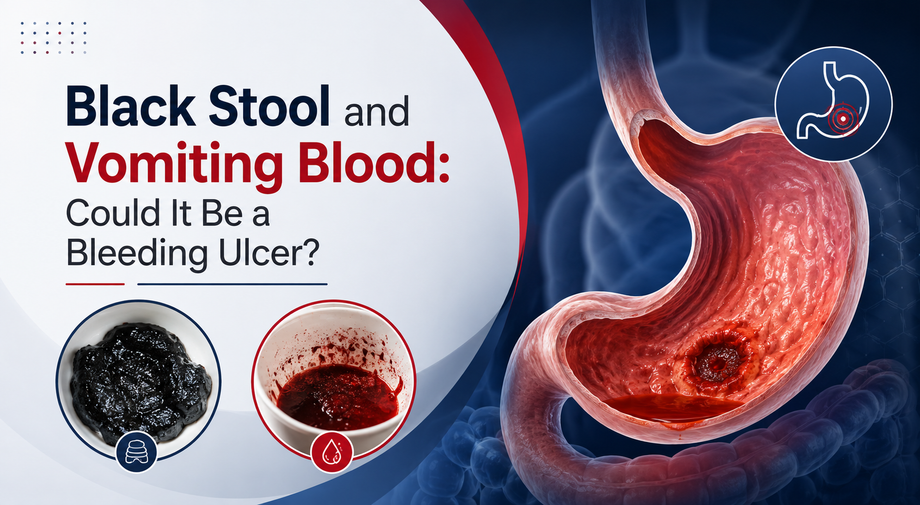
Black stool and vomiting blood are symptoms that should never be ignored. They can indicate bleeding in the upper digestive tract, including bleeding from a stomach or duodenal ulcer. Although ulcers can sometimes cause mild or no symptoms, bleeding can become serious and requires prompt medical evaluation. Ulcer Bleeding Treatment in Jaipur depends on the source and severity of the bleeding, and timely diagnosis can help prevent complications.
Why Can an Ulcer Cause Bleeding?
A peptic ulcer is an open sore that develops in the lining of the stomach or the first part of the small intestine. When an ulcer damages a blood vessel beneath the lining, it can cause gastrointestinal bleeding.
Common factors associated with peptic ulcers include Helicobacter pylori infection and regular use of certain pain-relieving medicines, particularly non-steroidal anti-inflammatory drugs (NSAIDs). Smoking and other factors may also increase the risk of complications in some people.
What Does Black Stool Mean?
Black, tar-like, or unusually dark stool can be a sign of digested blood from the upper digestive tract. This type of stool is known as melena. It may occur when blood passes through the stomach and intestines and becomes darker during digestion.
However, not every dark stool means gastrointestinal bleeding. Certain foods, iron supplements, and some medicines can also make stools appear dark. If the stool is black and tarry, particularly when accompanied by weakness, dizziness, abdominal discomfort, or vomiting blood, medical evaluation should not be delayed.
What Does Vomiting Blood Indicate?
Vomiting blood, known medically as hematemesis, can occur when there is bleeding in the upper digestive tract. The blood may appear bright red or resemble dark coffee grounds depending on how long it has remained in the stomach.
A bleeding ulcer is one possible cause, but vomiting blood can also result from other gastrointestinal conditions. Therefore, identifying the exact source of bleeding is important before deciding on treatment.
Other Warning Signs of a Bleeding Ulcer
In addition to black stool and vomiting blood, gastrointestinal bleeding may cause:
- Dizziness or light-headedness
- Unusual weakness or tiredness
- Pale skin
- Rapid heartbeat
- Abdominal discomfort
- Fainting in severe cases
- Shortness of breath related to significant blood loss
Heavy bleeding can cause a dangerous drop in blood volume and may require emergency medical care. Anyone experiencing vomiting blood, black tarry stools, fainting, or severe weakness should seek urgent medical attention.
How Is a Bleeding Ulcer Diagnosed?
A Gastro Doctor in Jaipur may begin by reviewing the patient's symptoms, medical history, medications, and risk factors. Blood tests may be performed to assess blood loss and other health concerns.
An upper gastrointestinal endoscopy may be recommended to examine the esophagus, stomach, and duodenum. During endoscopy, the doctor can identify the bleeding site and may use endoscopic techniques to control active bleeding when appropriate.
Additional investigations may be advised depending on the suspected cause and the patient's overall condition.
What Is Ulcer Bleeding Treatment?
Ulcer Bleeding Treatment in Jaipur is determined by the severity and source of bleeding. Initial medical care may include measures to stabilize the patient and medicines that reduce stomach acid. When active bleeding is identified during endoscopy, certain endoscopic techniques can be used to control it.
If H. pylori infection is responsible, appropriate treatment is generally required to eliminate the infection and reduce the risk of recurrence. If medicines such as NSAIDs have contributed to the ulcer, the doctor may review their use and recommend safer alternatives when appropriate.
Severe or persistent bleeding that does not respond adequately to endoscopic treatment may require additional procedures or surgery.
When Should You See a Gastroenterologist?
Black tarry stool or vomiting blood requires prompt medical assessment rather than self-treatment. A Best Gastroenterologist in Jaipur can evaluate the symptoms, determine whether gastrointestinal bleeding is present, identify the underlying cause, and recommend appropriate treatment.
It is particularly important to seek urgent care if bleeding is accompanied by fainting, severe weakness, confusion, rapid heartbeat, or significant abdominal pain.
Conclusion
Black stool and vomiting blood can be warning signs of a bleeding ulcer, although they may have other causes as well. Because gastrointestinal bleeding can become serious, early evaluation is important. Proper diagnosis through clinical assessment and, when necessary, endoscopy can help identify the source and guide appropriate Ulcer Bleeding Treatment in Jaipur. Do not ignore signs of possible gastrointestinal bleeding or rely on self-medication.
FAQs
1. Can a bleeding ulcer cause black stool?
Yes. Bleeding from an ulcer in the upper digestive tract can produce black, tarry stools because the blood becomes digested as it passes through the digestive system.
2. Is vomiting blood always caused by an ulcer?
No. A bleeding ulcer is one possible cause, but several other upper digestive tract conditions can also cause vomiting blood. Medical evaluation is necessary to identify the cause.
3. Is black stool always a sign of internal bleeding?
No. Iron supplements and certain foods or medicines can also darken stool. However, black, tarry stool should be medically assessed when gastrointestinal bleeding is possible.
4. How is a bleeding ulcer treated?
Treatment depends on the severity and cause. It may include medicines, endoscopic treatment to control bleeding, treatment for H. pylori infection, and additional procedures or surgery in severe cases.
5. When should I seek emergency medical care?
Seek urgent medical attention for vomiting blood, black tarry stools, fainting, severe dizziness, significant weakness, rapid heartbeat, or other symptoms suggesting substantial blood loss.
Comments